



































47 Magazine Articles
Click Magazine Articles
Collier's Magazine Articles
Confederate Veteran Magazine Articles
Confidential Magazine Articles
Creative Art Magazine Articles
Current Literature Magazine Articles
Direction Magazine Articles
Film Daily Magazine Articles
Freedom's Triumph Articles
G.I. Joe Magazine Articles
Harper's Bazaar Magazine Articles
Harper's Weekly Articles
Hearst's Sunday American Articles
Ken Magazine Articles
La Baionnette Articles
Leslie's Magazine Articles
Liberty Magazine Articles
Life Magazine Articles
Men's Wear Magazine Articles
Newsweek Articles
Outing Magazine Articles
Outlook Magazine Articles
People Today Magazine Articles
Photoplay Magazine Articles
Pic Magazine Articles
PM Tabloid Articles
Punch Magazine Articles
Rob Wagner's Script Magazine Articles
Scribner's Magazine Articles
Sea Power Magazine Articles
Stage Magazine Articles
The American Legion Monthly Articles
The American Legion Weekly Articles
The Atlantic Monthly Articles
The Dial Magazine Articles
The Film Spectator Magazine Articles
The Flapper Magazine Articles
The National Park Service Articles
The New Republic Articles
The New York Times Articles
The North American Review Articles
The Saturday Evening Post Articles
The Saturday Review Articles
The Smart Set Articles
Theatre Arts Magazine Articles
Touchstone Magazine Articles
Trench Warfare Articles
Vanity Fair Magazine Articles
Vogue Magazine Articles

Home Front

Whaling During the War

• Click Magazine, 1944 •


During the First World War it was found that the oil extracted from whales proved useful in the production of explosives – and twenty years later, whales were still useful in the efforts to wage the Second World War.

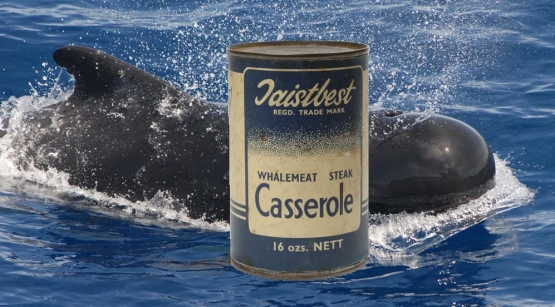
As a result of the rationing of beef some folks along the home front turned to whale meat as a substitute for beef and pork:

“If you walk into a Seattle, Washington butcher shop and ask for a steak, you might be offered a whale steak. No ration points will be required, and the flavor will be somewhere between that of veal and beef. You can prepare your steak just as you would a sirloin, or you can have it ground into whaleburger.”

“An average whale is valued at about $5,000, weighs from 50 to 80 tons and gives 7 to 15 tons of edible meat. It produces between 50 to 70 barrels of oil and 5 to 10 tons of bone. The liver weighs from 1,800 pounds and the heart about 400 pounds. Three types of whales are common off of the West Coast: the fin-back, best meat producer; the sperm, good for oil only; and the humpback which provides both meat and oil.”


More on W.W. II meat rationing can be read here…

Click here to learn more about the American W.W. II home front…

Read Meat Rationing Lead To Alternatives<br>(Click Magazine, 1944) for Free
Whaling in the Forties1940s whaling industry revivalAmerican whale industry revived in the 1940spictures of the 1940s whaling industry

Whaling During the War

Whaling During the War

Whaling During the War

Whaling in the Forties1940s whaling industry revivalAmerican whale industry revived in the 1940spictures of the 1940s whaling industry
Scroll to Top