










47 Magazine Articles
Click Magazine Articles
Collier's Magazine Articles
Confederate Veteran Magazine Articles
Confidential Magazine Articles
Creative Art Magazine Articles
Current Literature Magazine Articles
Direction Magazine Articles
Film Daily Magazine Articles
Freedom's Triumph Articles
G.I. Joe Magazine Articles
Harper's Bazaar Magazine Articles
Harper's Weekly Articles
Hearst's Sunday American Articles
Ken Magazine Articles
La Baionnette Articles
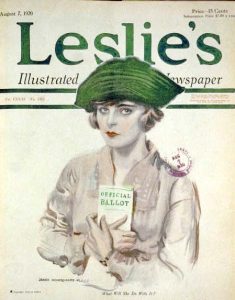
Leslie's Magazine Articles
Liberty Magazine Articles
Life Magazine Articles
Men's Wear Magazine Articles
Newsweek Articles
Outing Magazine Articles
Outlook Magazine Articles
People Today Magazine Articles
Photoplay Magazine Articles
Pic Magazine Articles
PM Tabloid Articles
Punch Magazine Articles
Rob Wagner's Script Magazine Articles
Scribner's Magazine Articles
Sea Power Magazine Articles
Stage Magazine Articles
The American Legion Monthly Articles
The American Legion Weekly Articles
The Atlantic Monthly Articles
The Dial Magazine Articles
The Film Spectator Magazine Articles
The Flapper Magazine Articles
The National Park Service Articles
The New Republic Articles
The New York Times Articles
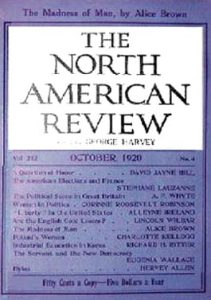
The North American Review Articles
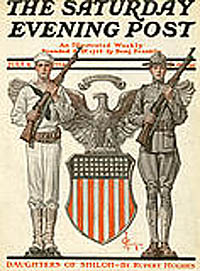
The Saturday Evening Post Articles
The Saturday Review Articles
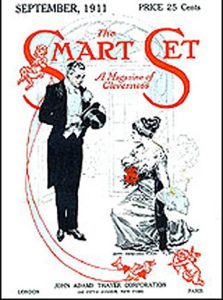
The Smart Set Articles
Theatre Arts Magazine Articles
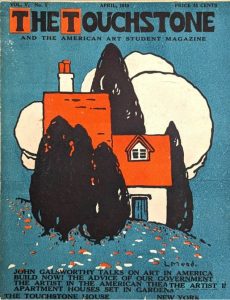
Touchstone Magazine Articles
Trench Warfare Articles
Vanity Fair Magazine Articles
Vogue Magazine Articles

World War Two

The Revised
''Cash & Carry'' Policy

• Pathfinder Magazine, 1939 •


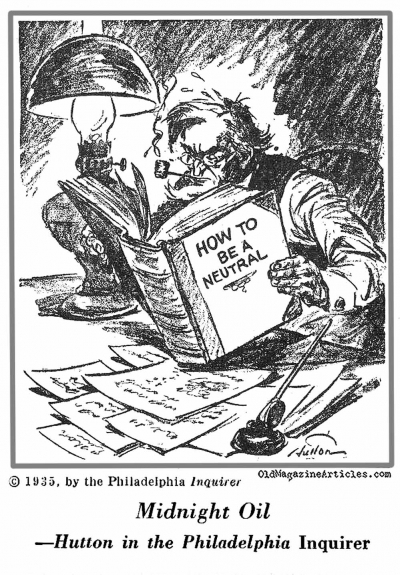
Cash and carry was a diplomatic trade policy set in place by the FDR administration; it was crafted during a special session of the U.S. Congress on September 21, 1939, as a result of the outbreak of the Second World War in Europe. It replaced the Neutrality Act of 1937, by which belligerent parties would purchase only non-military goods from the United States so long as the client states in question paid in cash at the time of purchase and assumed full responsibility for transportation. The 1939 Cash and carry revision allowed for the purchasing of military arms to belligerents on the same cash-and-carry basis. The purpose of the policy was to maintain neutrality between the United States and European nations while giving aid to Britain by allowing them to buy non war materials.


Shortly after the 1940 election, British Prime Minister Churchill told FDR that Britain could no longer afford to buy military supplies under the code of cash and carry and a new agreement needed to be agreed upon. The President then persuaded Congress to swap cash-and-carry with Lend-Lease – a new piece of legislation that granted the president authority to sell, exchange, lend, or lease war materiel to any nation whose defense was vital to U.S. security.


Click here to read a 1944 article about the track record of the Lend-Lease program.
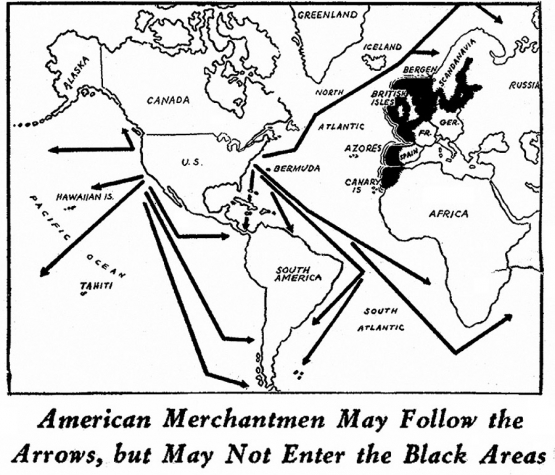


Read ‘Cash and Carry”<br>(Pathfinder Magazine, 1939) for Free
American neutrality reflected in 1939 international trade policiescash and carry provision in the 1939 Neutrality Act1939 cash and carry policypurpose of the 1939 cash and carry policycash and carry definition

The Revised ''Cash & Carry'' Policy

The Revised ''Cash & Carry'' Policy

American neutrality reflected in 1939 international trade policiescash and carry provision in the 1939 Neutrality Act1939 cash and carry policypurpose of the 1939 cash and carry policycash and carry definition
Scroll to Top