














47 Magazine Articles
Click Magazine Articles
Collier's Magazine Articles
Confederate Veteran Magazine Articles
Confidential Magazine Articles
Creative Art Magazine Articles
Current Literature Magazine Articles
Direction Magazine Articles
Film Daily Magazine Articles
Freedom's Triumph Articles
Harper's Bazaar Magazine Articles
Harper's Weekly Articles
Hearst's Sunday American Articles
Ken Magazine Articles
La Baionnette Articles
Leslie's Magazine Articles
Liberty Magazine Articles
Life Magazine Articles
Men's Wear Magazine Articles
Newsweek Articles
Outing Magazine Articles
Outlook Magazine Articles
People Today Magazine Articles
Photoplay Magazine Articles
Pic Magazine Articles
PM Tabloid Articles
Punch Magazine Articles
Rob Wagner's Script Magazine Articles
Scribner's Magazine Articles
Sea Power Magazine Articles
Stage Magazine Articles
The American Legion Monthly Articles
The American Legion Weekly Articles
The Atlantic Monthly Articles
The Dial Magazine Articles
The Film Spectator Magazine Articles
The Flapper Magazine Articles
The National Park Service Articles
The New Republic Articles
The New York Times Articles
The North American Review Articles
The Saturday Evening Post Articles
The Saturday Review Articles
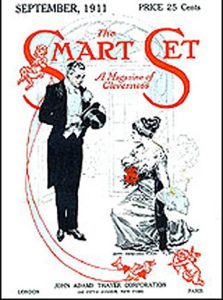
The Smart Set Articles
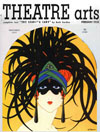
Theatre Arts Magazine Articles
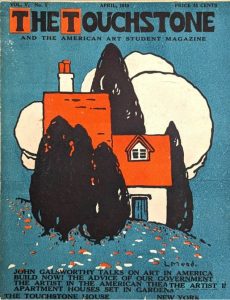
Touchstone Magazine Articles
Trench Warfare Articles
Vanity Fair Magazine Articles
Vogue Magazine Articles

Japanese Home Front

Japanese Perceptions
of Uncle Sam

• American Magazine, 1942 •


“Most serious of all to the Japanese is their belief that we have no spiritual quality, no sense of honor. For centuries the Japanese have been taught reverence for the head of the family , the policeman, the local great men, the ministers of state and most of all the God-Emperor, from whom stems all spirituality. Our [movies] of gangsters defying the law, of unruly election crowds, of children ‘sassing’ their parents, are proof to the Japanese that we are lacking in reverence and respect. They see it as proof, too, that we certainly cannot be brave. Because, to them, bravery comes through a dedication of oneself to spiritual ideals. When they sank the Panay they waited in fear and trembling for our declaration of war, and, when all we asked for was money to save our national honor, they believed they had our number. When they jumped us at Pearl Harbor it was not treachery to them- ‘How can you be treacherous to a nation without honor?’ It was a measure of their contempt for us.”


Click here to read about the 1937 sinking of the Panay.


Click here to read about the Japanese home front during the early period of the Sino-Japanese War.


Click here to read about the Japanese soldier.


Click here to read about Post-War Japan.


– from Amazon:


Read How Americans Were Seen by The Japanese<br>(American Magazine, 1942) for Free
japanese view of americans 1939-1945

Japanese Perceptions of Uncle Sam

Japanese Perceptions of Uncle Sam

Japanese Perceptions of Uncle Sam

japanese view of americans 1939-1945
Scroll to Top