























47 Magazine Articles
Click Magazine Articles
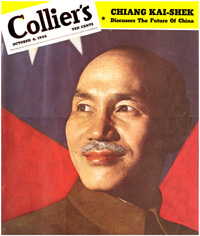
Collier's Magazine Articles
Confederate Veteran Magazine Articles
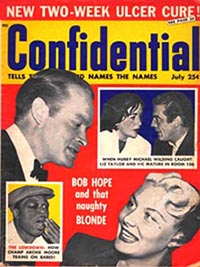
Confidential Magazine Articles
Creative Art Magazine Articles
Current Literature Magazine Articles
Direction Magazine Articles
Film Daily Magazine Articles
Freedom's Triumph Articles
Harper's Bazaar Magazine Articles
Harper's Weekly Articles
Hearst's Sunday American Articles
Ken Magazine Articles
La Baionnette Articles
Leslie's Magazine Articles
Liberty Magazine Articles
Life Magazine Articles
Men's Wear Magazine Articles
Newsweek Articles
Outing Magazine Articles
Outlook Magazine Articles
People Today Magazine Articles
Photoplay Magazine Articles
Pic Magazine Articles
PM Tabloid Articles
Punch Magazine Articles
Rob Wagner's Script Magazine Articles
Scribner's Magazine Articles
Sea Power Magazine Articles
Stage Magazine Articles
The American Legion Monthly Articles
The American Legion Weekly Articles
The Atlantic Monthly Articles
The Dial Magazine Articles
The Film Spectator Magazine Articles
The Flapper Magazine Articles
The National Park Service Articles
The New Republic Articles
The New York Times Articles
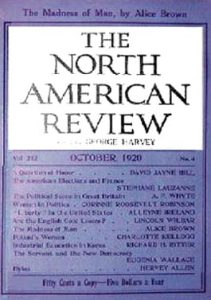
The North American Review Articles
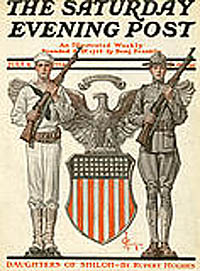
The Saturday Evening Post Articles
The Saturday Review Articles
The Smart Set Articles
Theatre Arts Magazine Articles
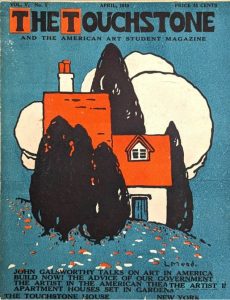
Touchstone Magazine Articles
Trench Warfare Articles
Vanity Fair Magazine Articles
Vogue Magazine Articles

World War One

French Praise for
the American Approach to the
First World War

• Literary Digest, 1928 •


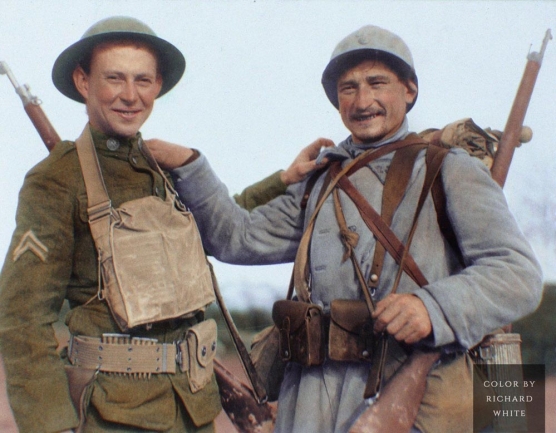
In a column for La Revue Mondale, written ten years after the Armistice, Stéphane Lauzanne (1887 – 1928), Editor-in-Chief of the semi-official Paris Matin wrote a few bitter-sweet words about the American character and how it was both a hindrance and a benefit to the Allies in the war. Yet, he was full of praise when he recalled the bold and forward-thinking manner in which America entered the war and committed both blood and treasure:

“…all America sees far ahead and sees on a grand scale…when America entered the war, it did not say: ‘Let us get a few regiments together, give some money to our allies, and send some bushels of wheat to various ports.’ No, America envisioned the matter on a big scale. Men were recruited by the millions, and the money to be sent to the Allies was calculated in the millions. The wheat for Europe was grouped in millions of bushels. The material necessary for construction of sixteen great camps was gathered in millions of cubic yards. If America had not seen the problem on this grand scale, would the war have ended as quickly?”

Click here to read an interview with the World War I American fighter pilot Eddy Rickenbacker.

Read America Commits Itself to the War<br>(Literary Digest, 1928) for Free
U.S. foresight and WW1ten years after WW1 France praised American foresighthow did the us participate in ww1French Praise for the American Approach to WWW1Stéphane Lauzanne praised AEF approach to war 1928MATIN editor Stéphane Lauzanne on American character and foresightFrench view of American entry into WW1flattering view of American character from a Frenchman 1928

French Praise for [br]the American Approach to the[br] First World War

U.S. foresight and WW1ten years after WW1 France praised American foresighthow did the us participate in ww1French Praise for the American Approach to WWW1Stéphane Lauzanne praised AEF approach to war 1928MATIN editor Stéphane Lauzanne on American character and foresightFrench view of American entry into WW1flattering view of American character from a Frenchman 1928
Scroll to Top