






Confederate Veteran Magazine Articles
Leslie's Magazine Articles
Vogue Magazine Articles
The Saturday Evening Post Articles
Click Magazine Articles
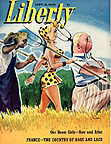
Liberty Magazine Articles
Film Daily Magazine Articles
Sea Power Magazine Articles
Trench Warfare Articles
The Film Spectator Magazine Articles
G.I. Joe Magazine Articles
The Smart Set Articles
Vanity Fair Magazine Articles
Theatre Arts Magazine Articles
Harper's Weekly Articles
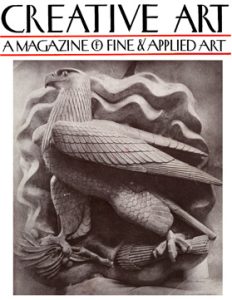
Creative Art Magazine Articles
Direction Magazine Articles
The National Park Service Articles
The Atlantic Monthly Articles
The North American Review Articles
Current Literature Magazine Articles
The American Legion Weekly Articles
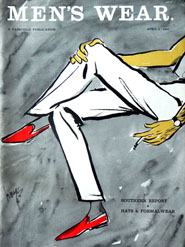
Men's Wear Magazine Articles
The New Republic Articles
Hearst's Sunday American Articles
Punch Magazine Articles
PM Tabloid Articles
Newsweek Articles
Outlook Magazine Articles
Harper's Bazaar Magazine Articles
The Flapper Magazine Articles
The American Legion Monthly Articles
The Saturday Review Articles
Confidential Magazine Articles
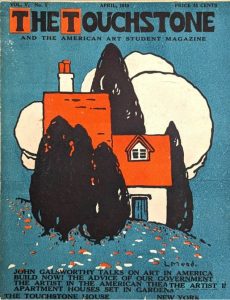
Touchstone Magazine Articles
Stage Magazine Articles
47 Magazine Articles
Freedom's Triumph Articles
People Today Magazine Articles
The Dial Magazine Articles
Photoplay Magazine Articles
Pic Magazine Articles
Scribner's Magazine Articles
Ken Magazine Articles
La Baionnette Articles
Collier's Magazine Articles
The New York Times Articles
Rob Wagner's Script Magazine Articles
Outing Magazine Articles
Life Magazine Articles

Eugene O’Neill

The Tragedy of Eugene O’Neill
(Look Magazine, 1959)

In 1946, a literary statistician ascertained that, in the world of O’Neill plays, there had been 12 murders, eight suicides, 22 other deaths and seven cases of insanity


To read the attached biographical essay is to understand that O’Neill did not become America’s premiere tragedian by simply reading about the disasters in the lives of others; his entire life was a tragedy. In his wake were alcoholic, suicidal children and numerous unloved wives.

What’s Next for Eugene O’Neill?
(Stage Magazine, 1935)

Stage editor Hiram Motherwell (1888 – 1945) examined the meteoric rise of playwright Eugene O’Neill (1888 – 1953) and asked, What can he do next?

Eugene O’Neill is now forty-seven. His plays have just been enshrined in the definitive edition, handsome, ingratiating, expensive. They are probably more widely discussed than those of any other living playwright. They have been produced in almost every city from Moscow west to Tokyo. They have been translated into more languages. And yet it is evident that O’Neil, standing on the crest of this superb eminence, has completed a cycle; come to a momentous turning in the path his creative genius has followed. Where will the path lead?

Advertisement

Use shortcode [oma_ad position="summary_top"] (or other position) in your theme or widgets to display OMA Promotions here.

Harsh Words for Eugene O’Neill
(Theatre Arts Magazine, 1920)

In celebration of being awarded a Pulitzer Prize for having written the best American play of 1920 (Beyond the Horizon), theater critic Walter Prichard Eaton (1878 – 1957) saw fit to slip playwright Eugene O’Neill his back hand with a double-dose of venomous criticism:

…O’Neill’s work to date remains intellectually and spiritually thin.

Scroll to Top