













47 Magazine Articles
Click Magazine Articles
Collier's Magazine Articles
Confederate Veteran Magazine Articles
Confidential Magazine Articles
Creative Art Magazine Articles
Current Literature Magazine Articles
Direction Magazine Articles
Film Daily Magazine Articles
Freedom's Triumph Articles
Harper's Bazaar Magazine Articles
Harper's Weekly Articles
Hearst's Sunday American Articles
Ken Magazine Articles
La Baionnette Articles
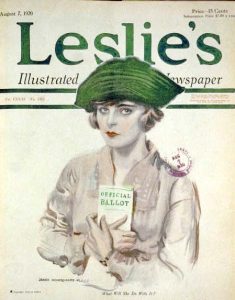
Leslie's Magazine Articles
Liberty Magazine Articles
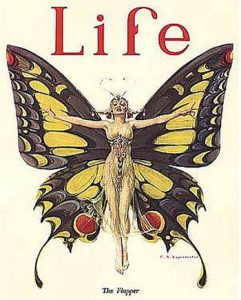
Life Magazine Articles
Men's Wear Magazine Articles
Newsweek Articles
Outing Magazine Articles
Outlook Magazine Articles
People Today Magazine Articles
Photoplay Magazine Articles
Pic Magazine Articles
PM Tabloid Articles
Punch Magazine Articles
Rob Wagner's Script Magazine Articles
Scribner's Magazine Articles
Sea Power Magazine Articles
Stage Magazine Articles
The American Legion Monthly Articles
The American Legion Weekly Articles
The Atlantic Monthly Articles
The Dial Magazine Articles
The Film Spectator Magazine Articles
The Flapper Magazine Articles
The National Park Service Articles
The New Republic Articles
The New York Times Articles
The North American Review Articles
The Saturday Evening Post Articles
The Saturday Review Articles
The Smart Set Articles
Theatre Arts Magazine Articles
Touchstone Magazine Articles
Trench Warfare Articles
Vanity Fair Magazine Articles
Vogue Magazine Articles

Chicago Herald & Examiner * Repeal

Bertrand Russell
on Prohibition

• Chicago Herald & Examiner, 1933 •


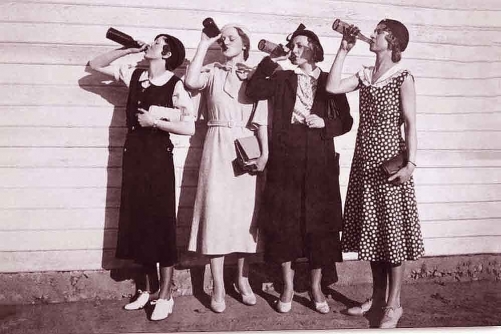
“There is one incidental good effect which has resulted from the era of Prohibition. In the Nineteenth Century women everywhere, but most emphatically in America, were considered morally superior to men; this was not only claimed by themselves but conceded by their husbands. The effect of Prohibition, among the richer classes, was to bring drink into the home, with the result that women shared in it. In the days of women’s moral superiority there was little companionship or real intimacy between men and women. Men felt constrained in the presence of women, and women regarded men as coarse brutes whose behavior was uncivilized and unrefined. The modern relation of equality between men and women is more wholesome, more honest and more companionable. The change is due to many causes, but among them Prohibition has borne a part.”


Click here to read about the high number of women who went to the Big House during Prohibition.


Read a Bertrand Russell editorial from 1922, when he first wrote about the Noble Experimentclick here

Read The Good and Bad in Prohibition<br>(Chicago Herald & Examiner, 1933) for Free
Bertrand Russell on Prohibition 1933Bertrand Russell thoughts on American Prohibition 1933

Bertrand Russell [BR]on Prohibition

Bertrand Russell on Prohibition 1933Bertrand Russell thoughts on American Prohibition 1933
Scroll to Top