





























47 Magazine Articles
Click Magazine Articles
Collier's Magazine Articles
Confederate Veteran Magazine Articles
Confidential Magazine Articles
Creative Art Magazine Articles
Current Literature Magazine Articles
Direction Magazine Articles
Film Daily Magazine Articles
Freedom's Triumph Articles
G.I. Joe Magazine Articles
Harper's Bazaar Magazine Articles
Harper's Weekly Articles
Hearst's Sunday American Articles
Ken Magazine Articles
La Baionnette Articles
Leslie's Magazine Articles
Liberty Magazine Articles
Life Magazine Articles
Men's Wear Magazine Articles
Newsweek Articles
Outing Magazine Articles
Outlook Magazine Articles
People Today Magazine Articles
Photoplay Magazine Articles
Pic Magazine Articles
PM Tabloid Articles
Punch Magazine Articles
Rob Wagner's Script Magazine Articles
Scribner's Magazine Articles
Sea Power Magazine Articles
Stage Magazine Articles
The American Legion Monthly Articles
The American Legion Weekly Articles
The Atlantic Monthly Articles
The Dial Magazine Articles
The Film Spectator Magazine Articles
The Flapper Magazine Articles
The National Park Service Articles
The New Republic Articles
The New York Times Articles
The North American Review Articles
The Saturday Evening Post Articles
The Saturday Review Articles
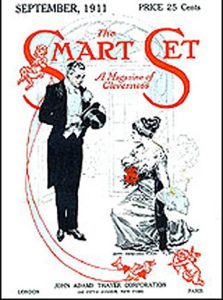
The Smart Set Articles
Theatre Arts Magazine Articles
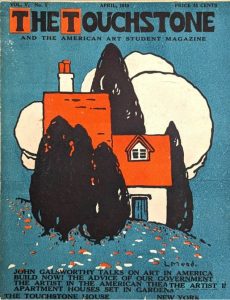
Touchstone Magazine Articles
Trench Warfare Articles
Vanity Fair Magazine Articles
Vogue Magazine Articles

Miscellaneous

The Senate andthe Seventeenth Amendment

• American Legion Weekly, 1920 •


When, in 1913, it was decided to amend the Constitution and create a United States Senate that was composed of politicians who were elected directly by the citizenry of each state, rather than the state legislators (as had been the practice prior to that year) – no one could have known how radically the nature of the Senate would be altered by doing this. In this article, historian Everett Kimball pointed out that the founders created the House of Representatives to be the dynamic engine of government – the body that was intended to reflect the popular opinion of the electorate; the Senate was intended to be the conservative body – “the saucer into which the hot tea of the House of Representatives was poured to cool”, as Washington remarked. The 17th Amendment saw to it that the nation is now governed by two bustling houses!

Kimball pointed out that the Amendment solved the problem that resulted in corrupt State Legislators sending corrupt Senators to Washington – but with that same swipe of the pen, the states lost the power in Washington that the Framers of the Constitution intended for them.

Read The Popularly-Elected Senate<br>(American Legion Weekly, 1920) for Free

The Senate andthe Seventeenth Amendment

The Senate andthe Seventeenth Amendment

The Senate andthe Seventeenth Amendment

The Senate andthe Seventeenth Amendment

The Senate andthe Seventeenth Amendment

Scroll to Top