La Baionnette Articles
Theatre Arts Magazine Articles
Newsweek Articles
The Flapper Magazine Articles
The Saturday Evening Post Articles
Punch Magazine Articles
Confederate Veteran Magazine Articles
Sea Power Magazine Articles
Confidential Magazine Articles
PM Tabloid Articles
Creative Art Magazine Articles
Collier's Magazine Articles
The Smart Set Articles
Vanity Fair Magazine Articles
Direction Magazine Articles
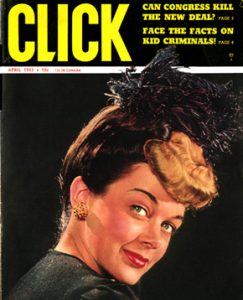
Click Magazine Articles
The New York Times Articles
Film Daily Magazine Articles
Harper's Weekly Articles
Outing Magazine Articles
Ken Magazine Articles
Rob Wagner's Script Magazine Articles
Stage Magazine Articles
Liberty Magazine Articles
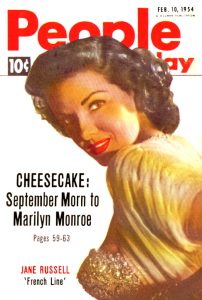
People Today Magazine Articles
Current Literature Magazine Articles
Freedom's Triumph Articles
Men's Wear Magazine Articles
The Atlantic Monthly Articles
The New Republic Articles
Touchstone Magazine Articles
Vogue Magazine Articles
G.I. Joe Magazine Articles
Photoplay Magazine Articles
Harper's Bazaar Magazine Articles
Leslie's Magazine Articles
The Film Spectator Magazine Articles
Life Magazine Articles
The North American Review Articles
Trench Warfare Articles
Pic Magazine Articles
The American Legion Weekly Articles
The National Park Service Articles
Outlook Magazine Articles
The Dial Magazine Articles
The Saturday Review Articles
Hearst's Sunday American Articles
47 Magazine Articles
Scribner's Magazine Articles
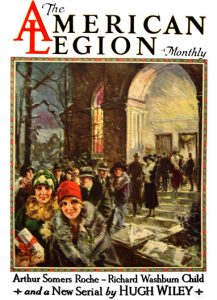
The American Legion Monthly Articles

The USO

Explaining the Need for the USO
(Spot Magazine, 1941)

This article said it all honestly and without flowery metaphors – plainly stating the facts that if American military personnel were not provided some wholesome distractions, they would simply loiter around barrooms and whorehouses during their leisure time and become a drag on society.

They Gave Their All for the Troops
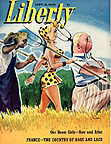
(Liberty Magazine, 1945)

This is one of the more enjoyable reads on the site. Published during the Summer of 1945, with the war in Europe over and the Japanese capitulation only six weeks away, the Liberty editors saw fit to run an article that recalled the absolute devotion that so many USO performers displayed again and again in order to guarantee that American military personnel abroad was fully entertained and amused – no matter their proximity to the enemy.

Advertisement

Use shortcode [oma_ad position="summary_top"] (or other position) in your theme or widgets to display OMA Promotions here.

Hollywood Stars in the USO
(Click Magazine, 1944)

Attached is a 1944 article from CLICK MAGAZINE about the touring performers of the U.S.O. during the Second World War. Illustrated with eight photographs picturing many of the most devoted and well-loved of the Hollywood entertainers (Bob Hope, Martha Raye, Al Jolson, Jack Benny, Wini Shaw) the article, by celebrated newspaper critic Leonard Lyons, goes into some detail as to the deep sense of gratitude these show people felt and how happy they were to give some measure of payback. It was estimated that the U.S.O. performed 293,738 shows by the time the war reached an end.

A Song and Dance Man on Guadalcanal
(Pageant Magazine, 1952)

Four years after his stellar performance as the Scarecrow in The Wizard of Oz (MGM, 1939), Hollywood actor and comedian Ray Bolger (1904 – 1987) was performing in many parts of the war-torn Pacific islands on a USO tour for thousands of very grateful GIs and Marines. Attached is a two page reminiscence about one particular Guadalcanal performance, the men he met and the Hell they paid in the years that followed

Marlene Dietrich Did Her Bit
(Yank Magazine, 1945)

A post-game interview with Hollywood star Marlene Dietrich (1901 – 1992) concerning all the many places throughout the European Theater of Operations that she performed before Allied audiences, at times performing very close to the German front line.


Marlene Dietrich’s only daughter, Maria Riva Dietrich (b. 1924), wrote that her mother, feeling a deep sense of pity and gratitude, made love to a very large number of front line soldiers.


Click here to read about the woman who entertained the U.S. troops during the First World War.

Advertisement

Use shortcode [oma_ad position="summary_top"] (or other position) in your theme or widgets to display OMA Promotions here.

Riding The Fox-Hole Circuit
(Newsweek Magazine, 1944)

Together [these entertainers] constitute the vast composite known as USO-Camp Shows, Inc. Organized in November, 1941 as this war’s answer to the last one’s mistakes (too little which came too late to too few), Camp Shows see to it that as much entertainment as possible reaches as many soldiers as possible – in contrast to the fact that the last war produced only an Elsie Janis (You can read about her here)… The money to run Camp Shows comes from the National War Fund; the authority to use its services rests with the Army and Navy.

Scroll to Top